
Ledger.com/Start® | Getting started — Ledger Support
Get started with Ledger.com/start and learn essential Ledger wallet setup steps, including device connection, Ledger Live installation, account configuration, transaction preparation, and important security practices.
Ledger.com/start Setup Guide: Start Your Ledger Wallet the Right Way
Cryptocurrency gives users more control over their digital money, but that control also comes with responsibility. When you use a hardware wallet, protecting your private keys and following the correct setup procedure are essential. For Ledger users, Ledger.com/start is the official starting point for getting a compatible Ledger device ready for use.
A careful setup can help you avoid common mistakes and give you a better understanding of how your hardware wallet works. From installing the companion application to protecting your recovery information, each step has a specific purpose. This guide walks through the process in simple language so that beginners can approach their Ledger wallet with confidence.
Understanding Ledger.com/start
Ledger.com/start is Ledger's official setup page for its hardware wallets. The page provides access to the current Ledger Wallet application, which is available for supported desktop and mobile operating systems.
Ledger Wallet acts as the software interface for managing supported digital assets alongside a Ledger hardware device. The hardware wallet is designed to keep private keys offline, while the application provides tools for viewing accounts and managing supported crypto activities.
Starting from the official website is important because cryptocurrency users can encounter fraudulent websites that imitate legitimate wallet brands. Instead of relying on an unfamiliar download link, manually entering the official domain is a safer habit.
Check Your Ledger Device First
Before beginning the setup, inspect your Ledger device and make sure you have everything needed for the process. You will generally need the hardware wallet, a compatible computer or smartphone, an appropriate connection cable or supported wireless connection, and internet access.
Choose a quiet location for the setup. Avoid configuring your wallet while someone else can easily see your screen or device.
If the device or packaging looks suspicious, do not attempt to bypass security warnings. Contact Ledger through its official support channels for guidance.
Download the Official Wallet Application
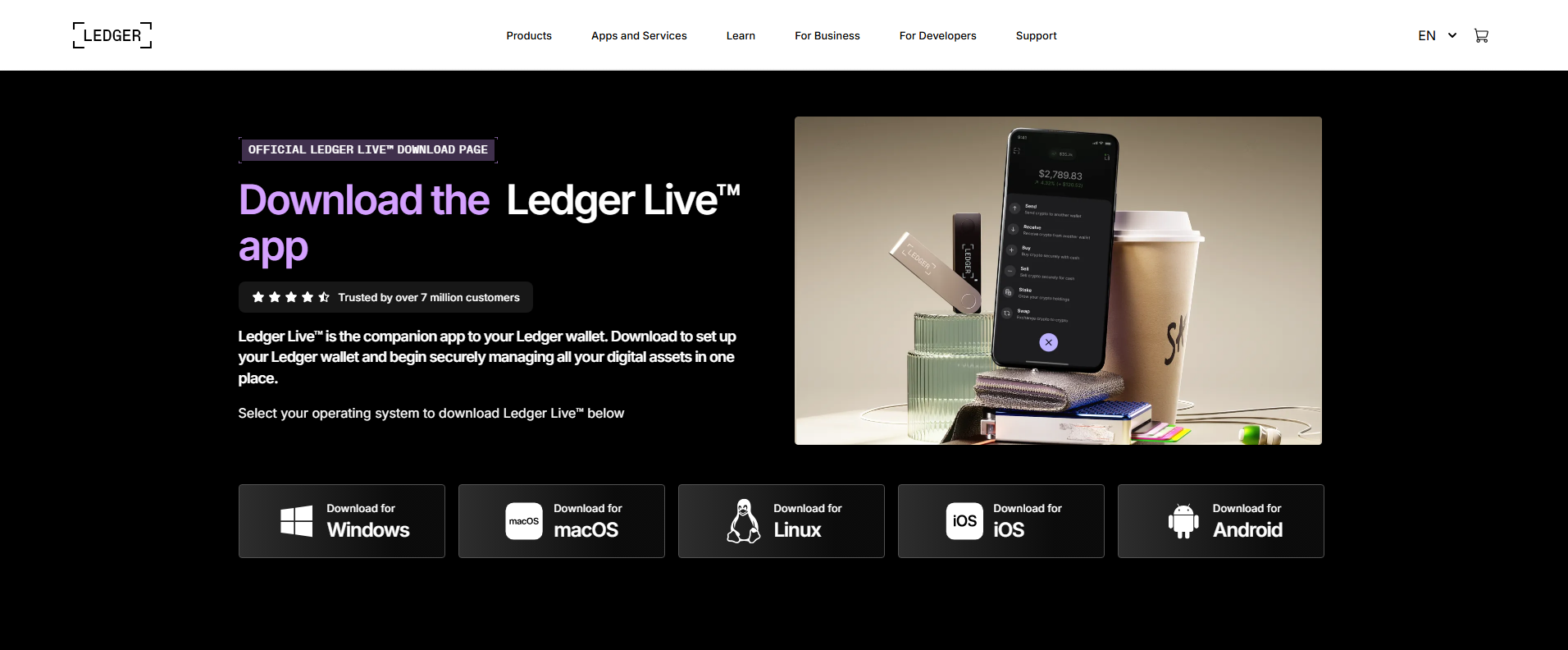
Once you have reached Ledger.com/start, select the version of Ledger Wallet appropriate for your operating system. Ledger currently provides downloads for Windows, macOS, Linux, iOS, and Android.
Install the application and open it after the installation finishes.
Avoid downloading cryptocurrency wallet software from unofficial websites. A program can look almost identical to the genuine application while secretly attempting to collect sensitive information.
Keeping your downloads limited to official sources is one of the simplest security habits you can develop.
Connect Your Hardware Wallet
After installing the application, connect your Ledger device according to the instructions provided for your model. The application should provide instructions for continuing the setup.
If the wallet is new and you want to create a new wallet, choose the relevant new-device option. Read the instructions shown on the hardware wallet itself and complete each step carefully.
One useful principle is to treat the physical device as an important security checkpoint. Ledger explains that its hardware wallets are designed so users can review transaction information on the device before approving transactions.
Set Up Your PIN
A PIN is used to protect access to the physical Ledger device. During the initial configuration, you will be asked to establish one.
Select a PIN that is not obvious or easily associated with information someone else might know about you. Do not tell friends, strangers, online contacts, or supposed support agents what your PIN is.
The PIN should remain private even if someone claims they need it to diagnose a problem.
Write Down Your Recovery Information
The recovery phrase is another critical part of the wallet setup process. It provides a way to restore access to wallet accounts if the original hardware device becomes unavailable.
When your Ledger device displays the recovery words, write them down exactly as instructed. Keep the record offline in a secure location.
Do not:
- Store the words in a cloud account.
- Take a screenshot of them.
- Photograph the recovery phrase.
- Send it through email.
- Paste it into a website.
- Share it with customer support.
- Enter it into a form provided by an unknown person.
Ledger's hardware-wallet guidance specifically highlights the importance of recording the seed phrase during setup and keeping it protected.
Anyone who obtains the recovery information may potentially be able to restore the wallet, so this information should be treated as highly confidential.
Install Cryptocurrency Applications
After the basic wallet configuration is complete, you may need to install the relevant cryptocurrency applications required for the assets you want to manage.
The exact choices depend on your Ledger model and the cryptocurrencies you use. Ledger's ecosystem supports a wide range of assets, and the company maintains a current supported-assets list.
Follow the instructions provided by the Ledger Wallet application rather than installing random applications from unknown sources.
Receive Your First Crypto
Once your desired account has been created, you can generate a receiving address through the wallet application.
For an important transfer, take an extra moment to verify the address shown by the software against the address displayed on your Ledger device. Ledger recommends checking the address on the hardware device before sharing it with a sender.
This additional verification can help identify mistakes or potential interference before funds are transferred.
Review Transactions Before Approving Them
One of the major advantages of using a hardware wallet is that important actions can require confirmation on the physical device.
Never approve a transaction simply because the information shown on your computer or smartphone appears correct. Review the details presented on the Ledger device before confirming.
If an unexpected transaction appears, stop and investigate instead of approving it automatically.
Ledger describes its Secure Element and device display as part of its security approach for reviewing transaction information before signing.
Avoid Common Ledger Scams
New cryptocurrency users are often targeted by fake support accounts, phishing websites, and fraudulent messages.
A person claiming to be Ledger support should never need your secret recovery phrase. Do not trust messages asking you to “verify” your wallet by entering your recovery words online.
Be particularly cautious with unsolicited direct messages, urgent security warnings, fake giveaways, and suspicious links.
When in doubt, navigate directly to Ledger's official website instead of following a link supplied by a stranger.
Managing Your Wallet After Setup
Setting up your Ledger device is only the beginning. After initialization, Ledger Wallet can provide tools for managing supported accounts and digital assets. Ledger describes the application as an all-in-one interface for managing crypto while keeping private keys offline through the paired hardware device.
Keep your software updated through official channels and regularly review your security practices. You should also maintain a secure physical location for both your hardware wallet and recovery information.
Final Thoughts
Ledger.com/start provides a convenient starting point for configuring a Ledger hardware wallet. The process includes downloading the official Ledger Wallet application, connecting the device, creating a private PIN, recording recovery information, installing the required cryptocurrency applications, and verifying transactions carefully.
The technology can provide strong protection, but safe cryptocurrency management also depends on user behavior. Never share your recovery phrase, avoid unofficial software, verify information on your hardware device, and take your time whenever money is involved.
A careful beginning can make the rest of your Ledger wallet experience much simpler and safer.
Updated about 5 hours ago